
August 23, 2026 4 view(s)
From Loom to Legend: The Story and Craft of Traditional Highland Dress
The Art of the Traditional Kilt: Heritage, Craftsmanship, and the Anatomy of Highland Dress
Category: Heritage & Craftsmanship | Read Time: 5 Mins | Published in: Highland Journal
Few garments in the world carry as much depth, history, and unmistakable character as the traditional Scottish kilt. What began centuries ago as a practical necessity against the untamed elements of the Scottish Highlands has transformed into an internationally recognized emblem of pride, fine tailoring, and enduring sartorial elegance.
Whether you are stepping onto the floor for a traditional ceilidh, standing at the altar for a wedding, or attending a formal black-tie dinner, wearing a kilt is an experience rooted in centuries of weaving tradition and master craft.
The Evolution: From Feileadh Mòr to Modern Tailoring
The story of the traditional kilt begins in the 16th century with the Feileadh Mòr (the Great Kilt). Crafted from a single, untamed length of thick, handwoven wool, the Great Kilt was gathered at the waist with a broad leather belt, with the remaining fabric draped over the shoulder to shield Highland clansmen from harsh rain, wind, and bitter cold.
By the 18th century, as everyday life and work required greater ease of movement, the garment evolved into the Feileadh Beag (the Little Kilt or Walking Kilt). This transition introduced structured tailoring: the upper drape was set aside, and the lower half was meticulously gathered into sharp, permanent pleats along the back, leaving a flat, double-apron front.
Today, this tailored silhouette remains the definitive standard of authentic Highland wear across the globe.
The Anatomy of an Authentic Traditional Kilt
A true bespoke traditional kilt is a masterclass in garment construction. It is not merely sewn; it is engineered with exacting precision to move naturally with the wearer.
┌────────────────────────────────────────────────────────┐
│ THE TRADITIONAL KILT STRUCTURE │
├─────────────────────────┬──────────────────────────────┤
│ Component │ Craftsmanship Feature │
├─────────────────────────┼──────────────────────────────┤
│ Tartan Cloth (Sett) │ Woven 100% pure new wool │
│ Front Aprons │ Double overlapping panels │
│ Rear Pleating │ Knife or Military box pleats │
│ Leather Buckles/Straps │ Precision side adjustments │
│ Length & Fall │ Hangs precisely mid-kneecap │
└─────────────────────────┴──────────────────────────────┘
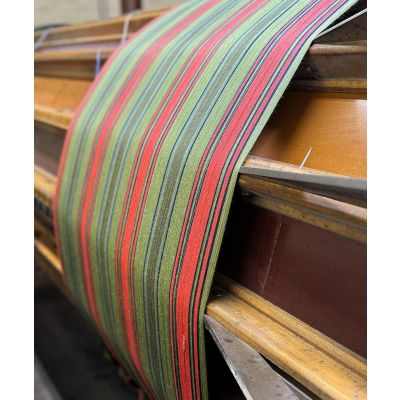
Pure Wool Woven Fabric: Authentic kilts are crafted from 100% pure worsted wool, typically ranging from medium-weight (13oz) for comfort to heavy-weight (16oz) strome wool for the ultimate structured drape and swing.
Precision Pleating: Tailors carefully align each fold either to the sett (repeating the exact tartan pattern across the back) or to the stripe (highlighting a single dominant vertical line, a technique favored by historic Scottish regiments).
The Perfect Proportions: A properly fitted kilt sits high on the natural waist (above the navel) and falls cleanly to the exact midpoint of the kneecap.
"A traditional kilt is not simply worn; it is inherited. Crafted with pure wool and balanced pleats, it carries the spirit of the Highlands into every step."
Assembling the Complete Highland Ensemble
Wearing Highland dress is an art of balance. Each accessory serves both a functional and symbolic purpose:
The Sporran: Because a traditional kilt is constructed without pockets, the sporran serves as an essential carry-all. Choose a classic day-wear leather sporran for casual occasions, or a polished silver cantle with bovine or seal fur for formal evening wear.
The Jacket & Waistcoat:
Prince Charlie Coat: The traditional choice for formal, black tie evening affairs.
Argyll Jacket: A versatile, single-breasted classic suited for daytime weddings, formal gatherings, and semi formal celebrations.
Kilt Hose & Flashes: Rich wool ribbed socks worn pushed down below the knee, held secure with garter flashes that echo the tones of your tartan sett.
The Sgian Dubh: A small, ceremonial safety knife worn discreetly tucked into the top cuff of the right hose (or left hose if left-handed).
Ghillie Brogues: Full grain leather brogues with long laces designed to be twisted, crossed, and tied securely around the lower calf.
Selecting Your Tartan: Clan, Country, or Universal
Every tartan tells a story through its distinctive cress cross sett. While many choose a tartan tied directly to their ancestral Scottish clan name, tartan is an inclusive tradition.
Clan Tartans: Celebrate ancestral lineage (such as MacDonald, MacLeod, Fraser, or Gordon).
Regimental & Historic Tartans: Time-honored patterns like the legendary Black Watch (Government Tartan) or Royal Stewart.
Universal & Contemporary Tartans: Modern tartans (such as Scottish National, Isle of Skye, or Black Shadow) designed to be worn proudly by anyone, regardless of heritage.
Preserving a Highland Heirloom
A high quality pure wool kilt is an investment designed to last generations. To preserve its form and luster:
Always hang your kilt using a dedicated four clip kilt hanger to protect the integrity of the pleats.
Allow the pure wool to breathe naturally after wearing; wool naturally repels odors and moisture.
Store flat or in a breathable garment bag when traveling to prevent creasing.
Ready to Find Your Perfect Fit?
Whether you are tailoring your first bespoke family tartan or refining your Highland formalwear for an upcoming celebration, explore our curated collections of authentic wool kilts, jackets, and heirloom accessories.